


Introduction: Why Choosing the Right Welding Machine Is Critical
Buying a welding machine is not a one-size-fits-all decision—especially in the Philippines.
Many buyers end up with machines that overheat, trip breakers, or fail early because they didn’t match the welder to their real workload and power conditions.
This guide helps:
-
Beginners buying their first welder
-
Fabrication shop owners
-
Contractors and maintenance teams
-
DIY users doing metal projects
If you want clean welds, stable arcs, and long machine life, this guide is for you.
Step 1: Identify the Type of Welding You Will Do
Different jobs require different welding capabilities.
Common welding jobs in the Philippines:
-
Light fabrication: gates, grills, brackets
-
Construction work: structural steel, rebar
-
Automotive & repair: thin metals, patch work
-
Maintenance work: on-site welding, field repairs
Light jobs need lower amperage and portability.
Heavy jobs need higher amperage and better duty cycle.
Step 2: Inverter vs Transformer Welding Machines
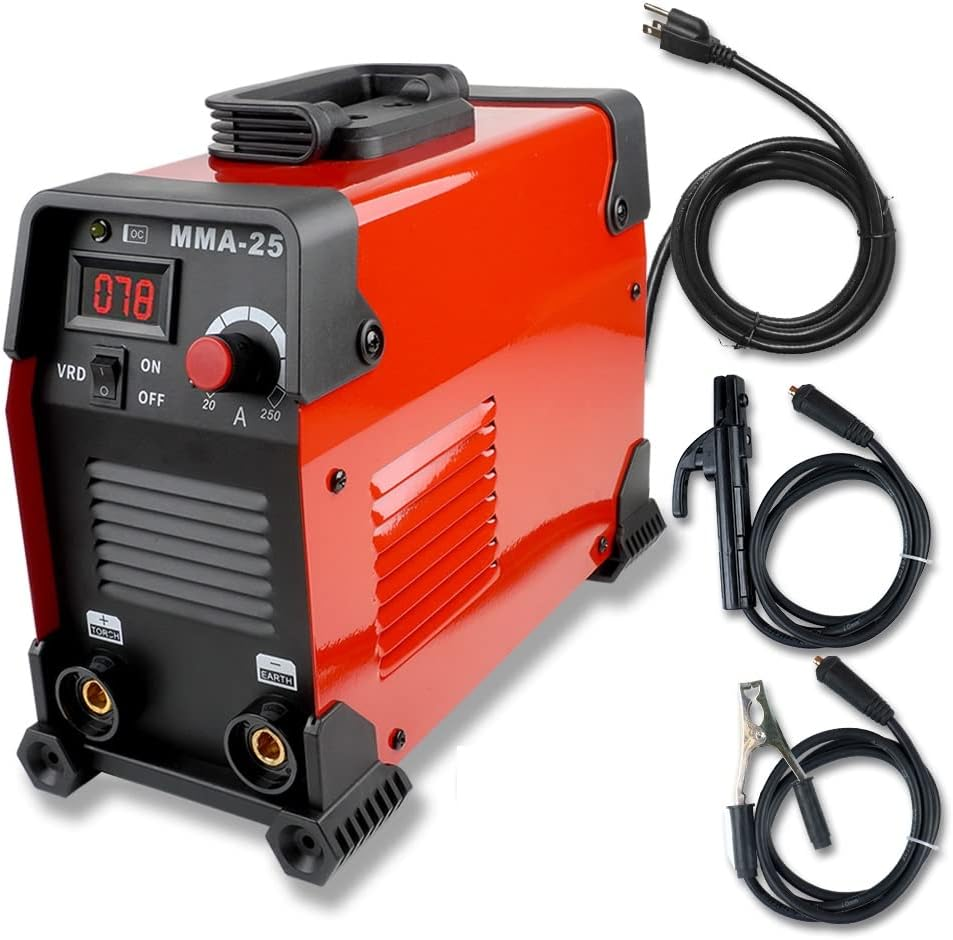

Inverter Welding Machines (Most Recommended)
Inverter welders are the top choice today.
Advantages:
-
Lightweight and portable
-
More power-efficient
-
Better arc stability
-
Handles unstable Philippine power better
Best for:
-
Home users
-
Contractors
-
Small to medium fabrication shops
Transformer Welding Machines (Old-School, Heavy-Duty)
Transformer welders are durable but less efficient.
Advantages:
-
Very rugged
-
Simple electronics
Limitations:
-
Heavy and bulky
-
Higher electricity consumption
-
Less forgiving with power fluctuations
Best for:
-
Fixed industrial shops
-
Continuous, heavy welding setups
Step 3: Choose the Correct Amperage Range
Amperage determines what thickness of metal you can weld.
General guideline:
-
120–160A: light fabrication, home use
-
180–200A: medium fabrication, gates, frames
-
250A+: heavy construction and industrial use
Buying too small causes overheating.
Buying too large wastes electricity and money.
Step 4: Understand Duty Cycle (Most Buyers Ignore This)
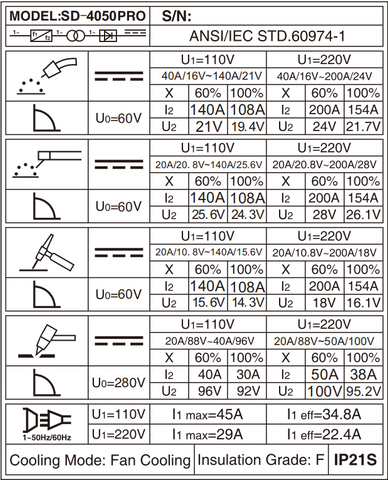
Duty cycle tells you how long you can weld continuously before the machine must cool down.
Example:
-
60% duty cycle @ 200A
→ Weld 6 minutes, rest 4 minutes
For professional use, prioritize higher duty cycle, not just maximum amperage.
Step 5: Check Power Compatibility & Protection Features
In many Philippine areas, power supply is unstable.
Choose welding machines with:
-
Overload protection
-
Overheat protection
-
Wide input voltage tolerance
-
Stable arc control
These features protect both the machine and your electrical system.
Step 6: Don’t Forget Safety and Accessories

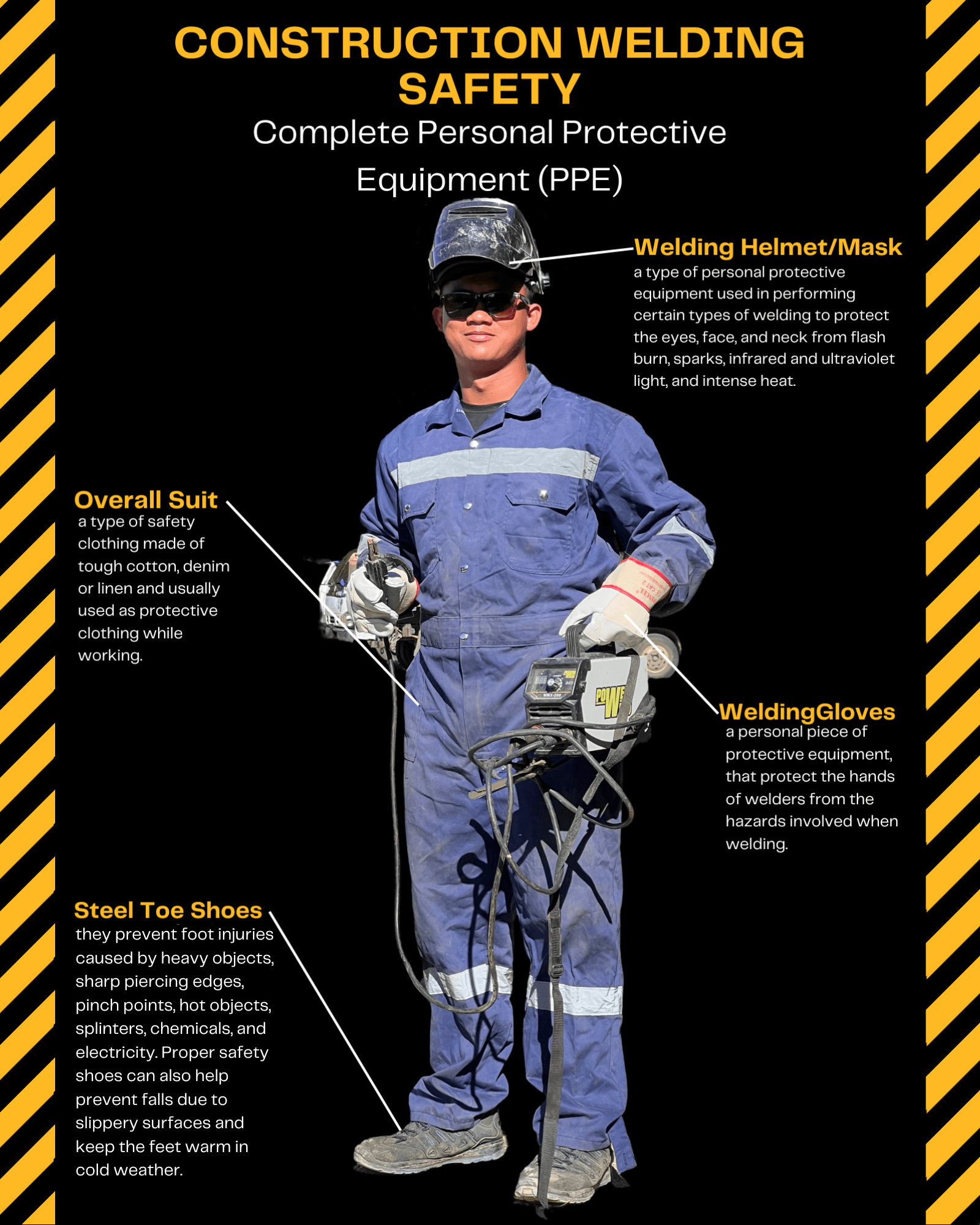
A welding machine is only part of the setup.
Always use:
-
Welding helmet (proper shade)
-
Gloves and protective clothing
-
Proper grounding
-
Ventilated workspace
Safety gear is not optional—it prevents long-term eye and skin damage.
Common Mistakes When Choosing a Welding Machine
-
Buying based on maximum amperage only
-
Ignoring duty cycle ratings
-
Choosing industrial machines for light jobs
-
Skipping safety equipment
-
Buying machines with unclear warranty support
Avoiding these mistakes saves money and prevents downtime.
Frequently Asked Questions
Is an inverter welding machine good for beginners?
Yes. Inverter welders are easier to control, lighter, and more power-efficient—ideal for beginners.
Can I use a high-amperage welder for small jobs?
Yes, but it’s inefficient. Smaller jobs are better done with machines matched to the workload.
Why do welding machines overheat easily?
Overheating usually happens when amperage or duty cycle does not match the job requirements.
Final Thoughts: Choose a Welder That Matches Your Work
The right welding machine:
-
Matches your job type
-
Has stable power output
-
Includes warranty and service support
Whether you’re welding occasionally or running a shop, choosing the correct machine ensures better weld quality, safer work, and long-term savings.


