


Best Air Compressors in the Philippines (Workshop & Industrial Guide)
Introduction: Why Choosing the Right Air Compressor Matters in the Philippines
Air compressors are the backbone of many Philippine workshops—from fabrication and automotive shops to construction sites and factories.
Choosing the wrong compressor often leads to:
-
Inconsistent air pressure
-
Overworked motors
-
Tool inefficiency
-
Premature breakdowns
This guide helps you choose an air compressor that matches your workload, tools, and environment, whether you’re running a small shop or an industrial operation.
What Air Compressors Are Commonly Used in the Philippines?

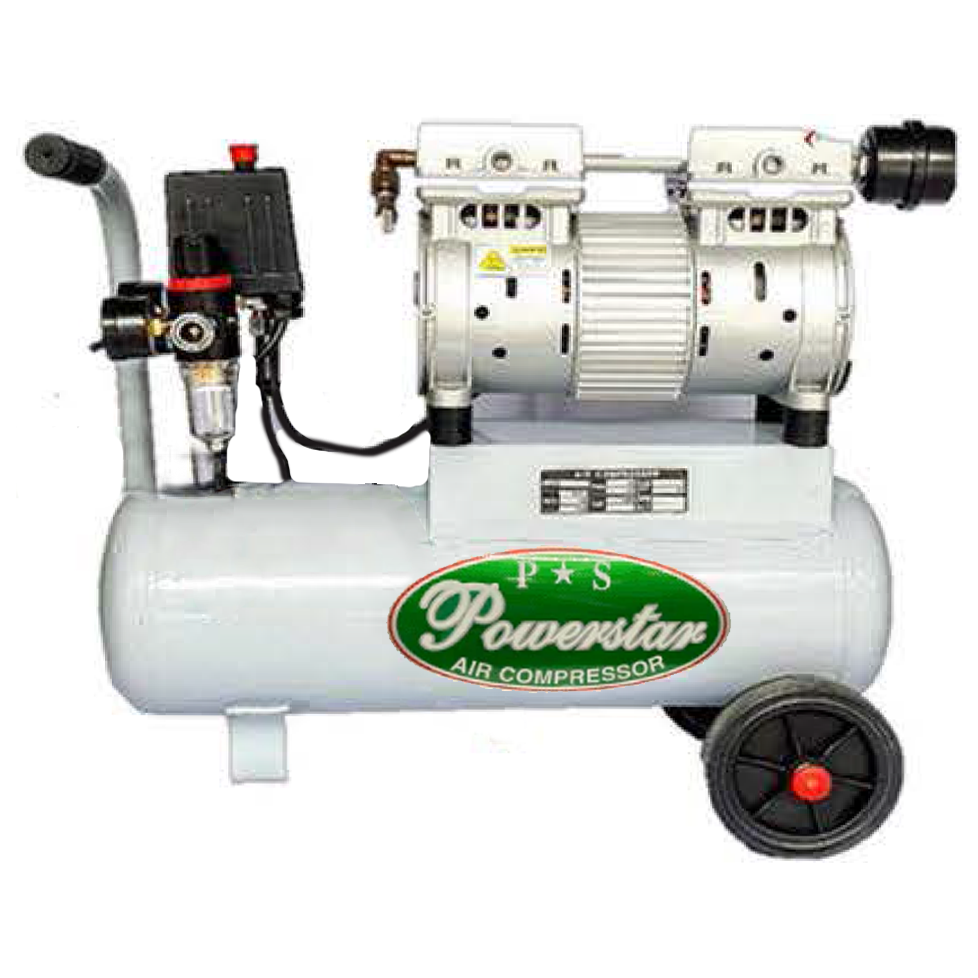
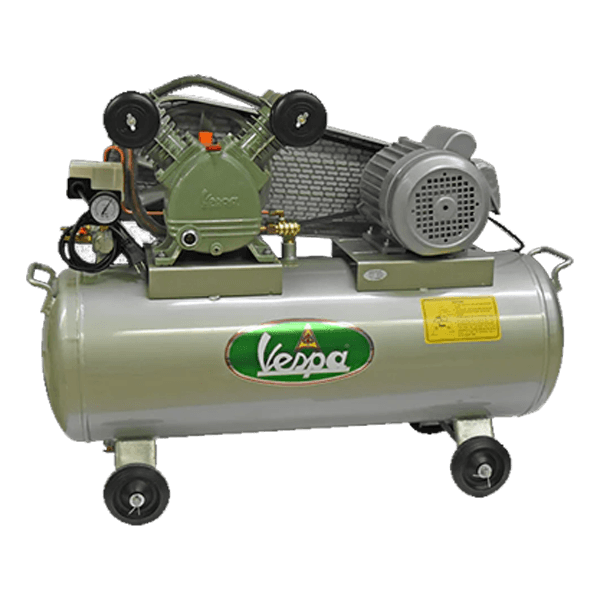
1️⃣ Belt Driven Piston (Reciprocating) Air Compressors
The most common type in small to medium workshops.
Pros
-
Affordable
-
Easy to maintain
-
Suitable for intermittent use
Cons
-
Noisy
-
Limited duty cycle
Best for:
Small workshops, tire shops, light fabrication, home use.
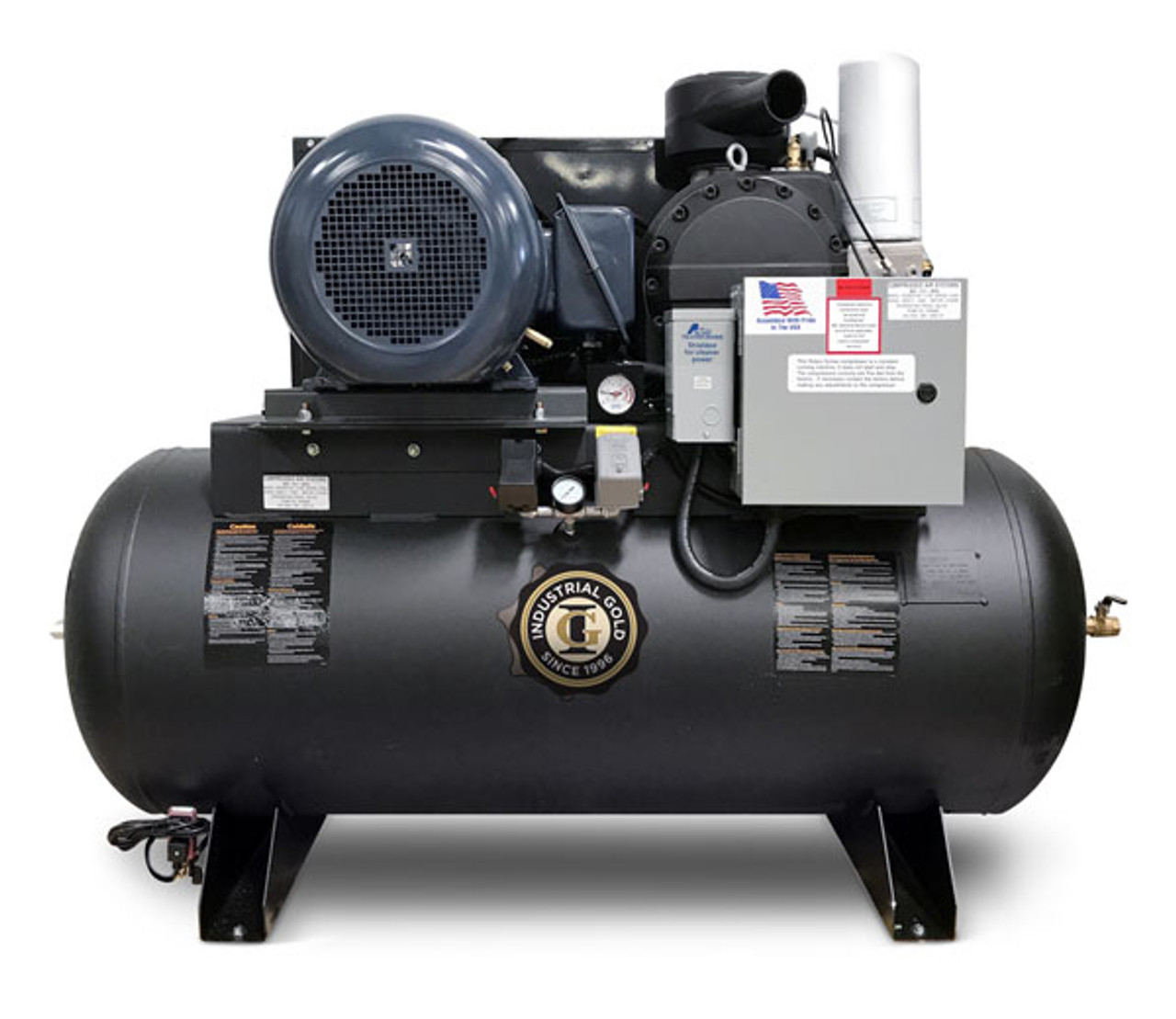
2️⃣ Screw (Rotary) Air Compressors
Used in industrial and high-demand environments.
Pros
-
Continuous air supply
-
High efficiency
-
Quieter operation
Cons
-
Higher upfront cost
-
Requires proper installation
Best for:
Factories, large fabrication shops, production lines.
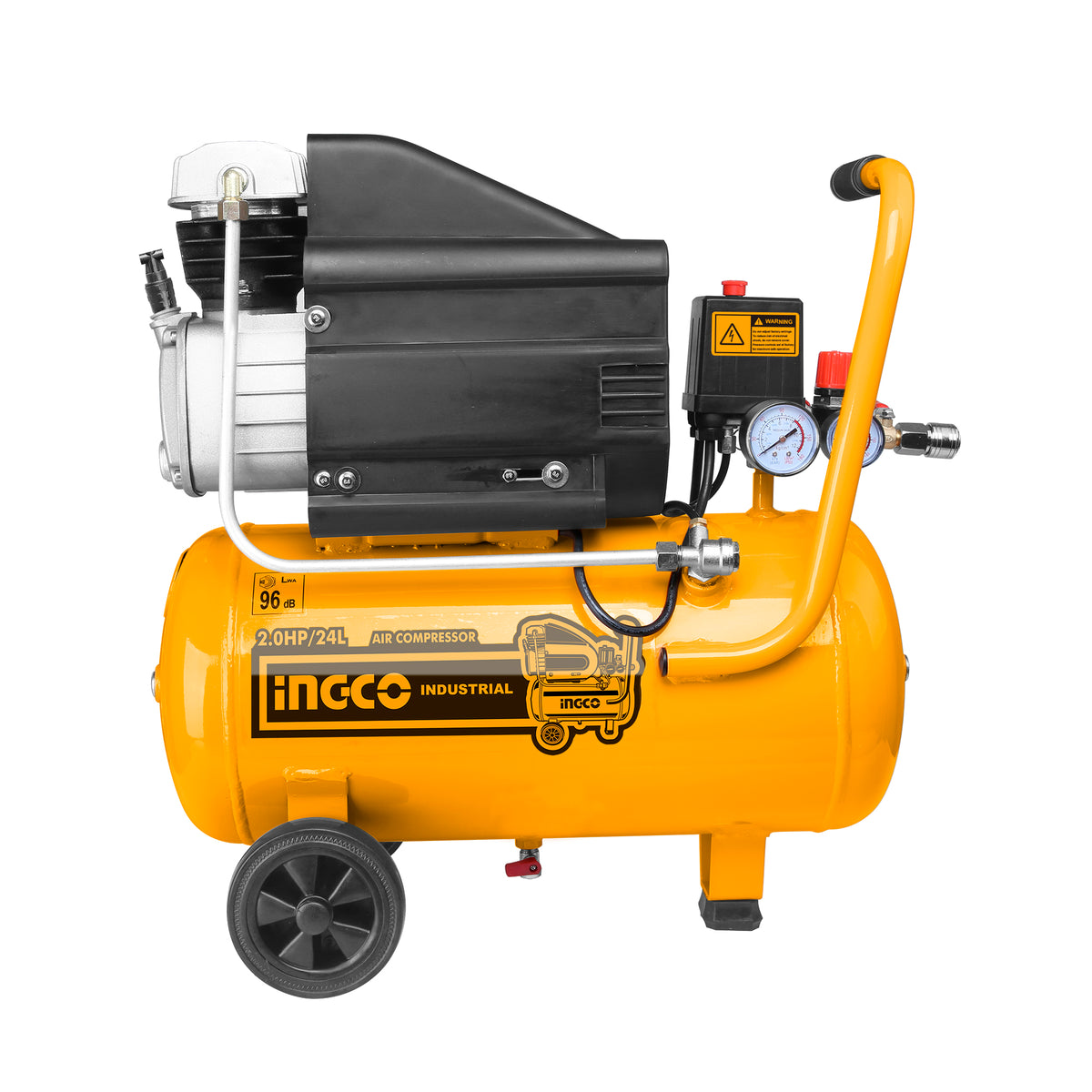
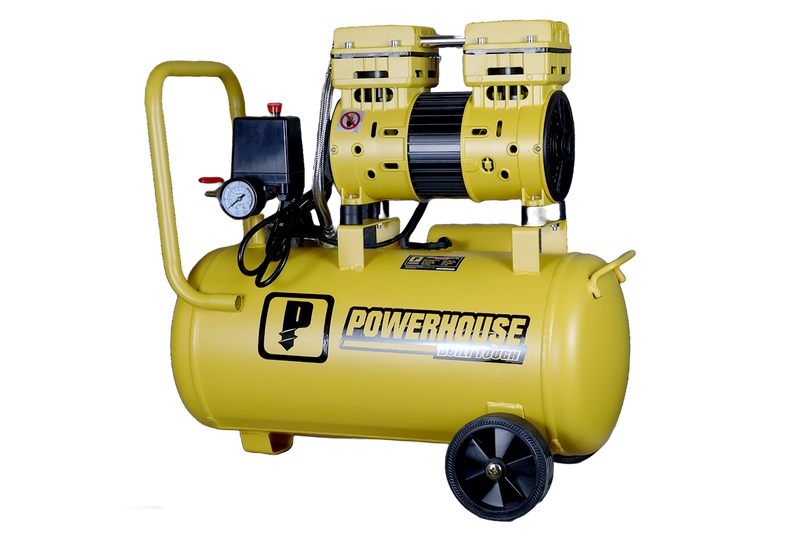
3️⃣ Portable Air Compressors (Direct Couple/ Oil-less)
Compact and mobile.
Pros
-
Easy to move
-
Quick setup
Cons
-
Limited airflow
-
Not suitable for continuous heavy tools
Best for:
On-site repairs, mobile services, light-duty tasks.
Step 1: Match the Compressor to Your Air Tools
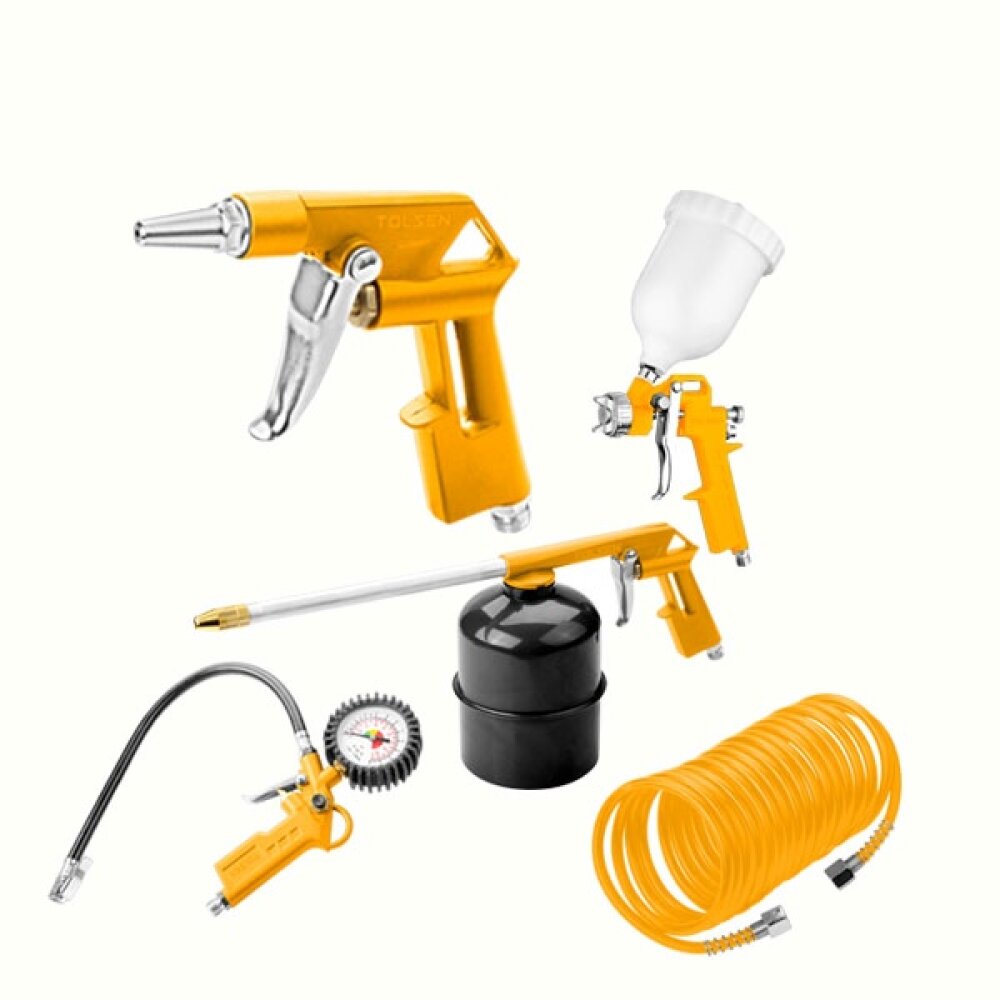

Before buying a compressor, list your air tools:
-
Impact wrench
-
Spray gun
-
Air grinder
-
Sandblaster
Each tool requires a specific CFM (airflow) and PSI (pressure).
Your compressor must exceed the highest combined requirement.
Step 2: Tank Size & Airflow (CFM) Explained Simply
-
Small tank (20–50L): light use, intermittent tools
-
Medium tank (100–200L): regular workshop use
-
Large tank (300L+): industrial, continuous operation
Rule of thumb:
If the compressor runs nonstop, it’s undersized.
Pro Tip:
If space is limited, try Vertical Type Air Compressor to save space.

Step 3: Single-Phase vs Three-Phase Power
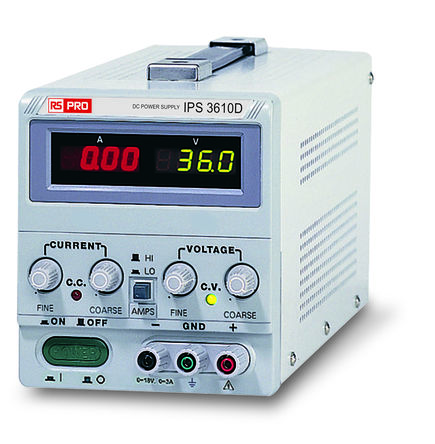

In the Philippines:
-
Single-phase: common in homes and small shops
-
Three-phase: used in factories and large workshops
Always check your power supply before buying—this avoids costly electrical upgrades.
Step 4: Consider Philippine Climate & Operating Conditions
Heat and humidity affect compressors more than most buyers realize.
Look for:
-
Good cooling systems
-
Moisture control (drain valves, dryers)
-
Proper ventilation
Moisture buildup causes rust, air tool damage, and pressure loss.
Common Mistakes When Buying Air Compressors


-
Choosing by horsepower only
-
Ignoring airflow (CFM) requirements
-
Buying undersized tanks
-
Skipping moisture management
-
Not planning for future tool expansion
Avoiding these mistakes saves money and downtime.
Frequently Asked Questions
What size air compressor is best for a workshop?
Most small to medium workshops use 100–200L piston compressors, depending on tool usage.
Is a screw compressor worth it?
Yes, if you need continuous air supply. For intermittent use, piston compressors are more cost-effective.
Why does my compressor overheat?
Overheating usually means the compressor is undersized or being used beyond its duty cycle.
Final Thoughts: Buy an Air Compressor That Grows With Your Shop
The best air compressor is not the cheapest—it’s the one that:
-
Meets your current air demand
-
Handles Philippine conditions
-
Allows room for future expansion
A properly sized compressor improves productivity, protects tools, and reduces operating costs.


