


Introduction: Why Tool Safety Is a Serious Issue in the Philippines
Power tools are used daily in construction sites, fabrication shops, automotive garages, and homes across the Philippines.
Unfortunately, tool-related accidents are also common—often due to improper usage, lack of safety gear, or using the wrong tool for the job.
Good safety practices:
-
Protect lives and eyesight
-
Prevent costly injuries and downtime
-
Extend tool lifespan
-
Improve work quality
This guide covers practical safety rules every Filipino power tool user should follow.
1️⃣ Always Use the Right Tool for the Job

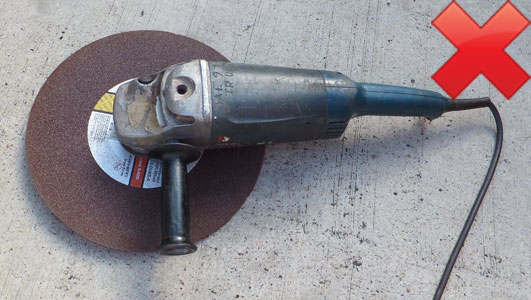
Many accidents happen when tools are misused.
Examples:
-
Using a grinder instead of a cut-off tool
-
Forcing a drill on concrete without hammer mode
-
Using light-duty tools for heavy industrial work
Rule:
If the tool struggles, stop. You’re likely using the wrong one.
2️⃣ Wear Proper Safety Equipment (No Exceptions)
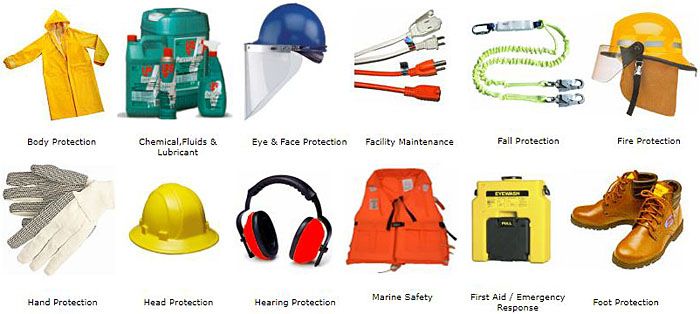
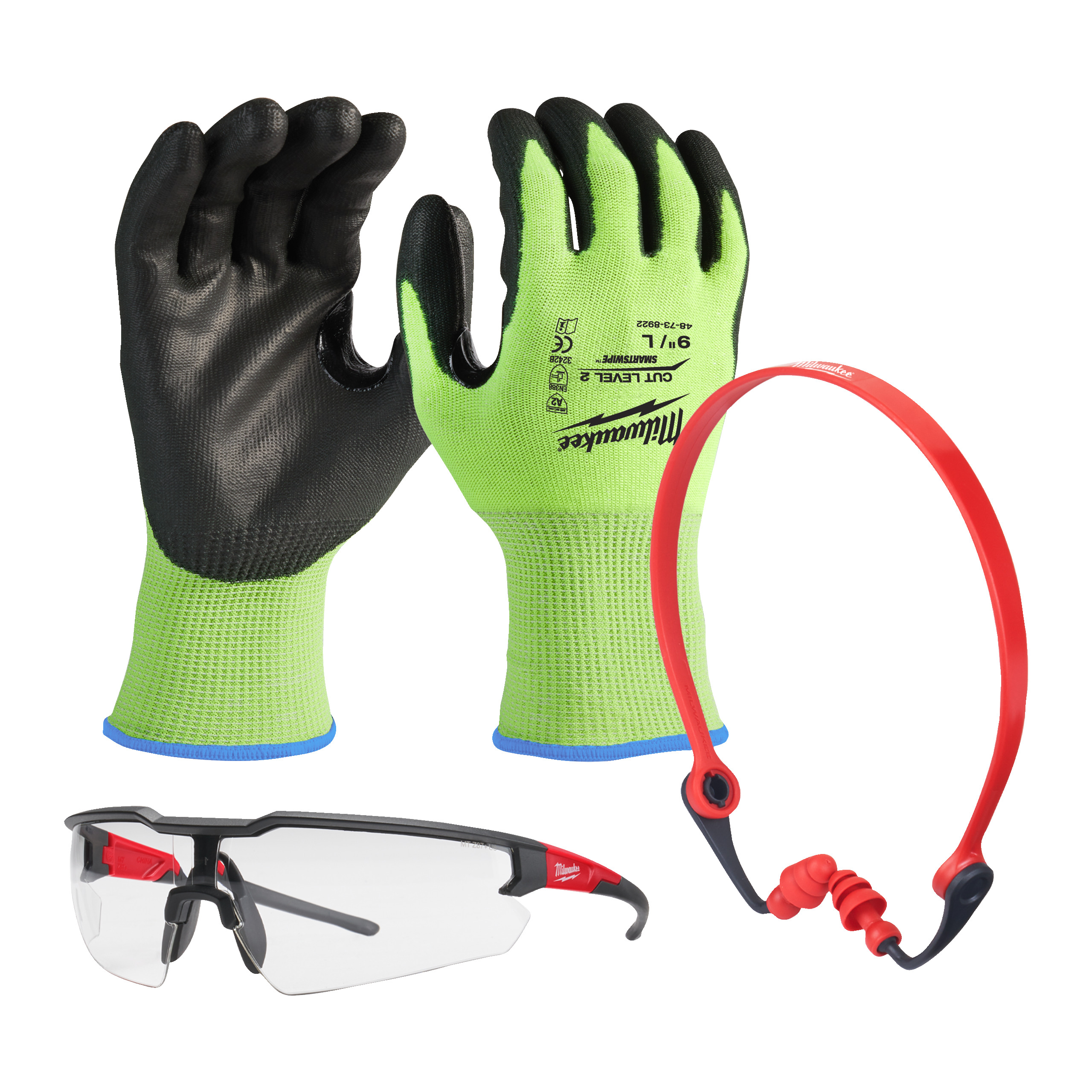
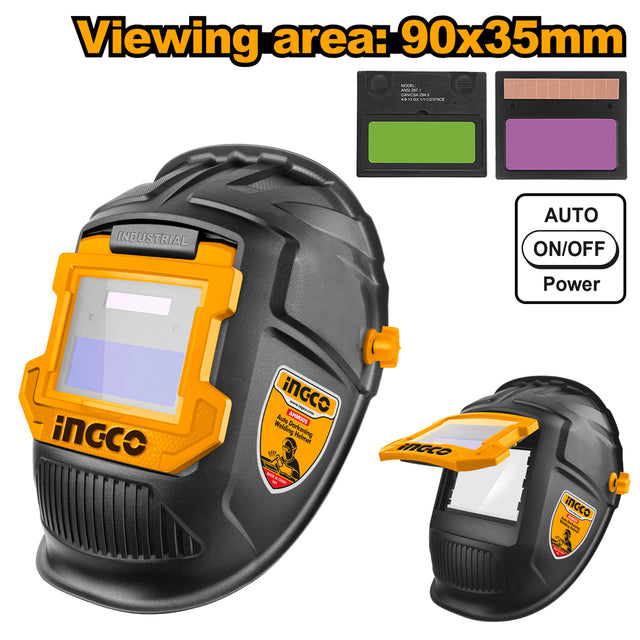
Essential safety gear includes:
-
Safety goggles or face shield
-
Gloves suited for the task
-
Ear protection for noisy tools
-
Masks or respirators for dust and fumes
Skipping PPE may save seconds—but risks permanent injury.
3️⃣ Inspect Tools Before Every Use
Before switching on:
-
Check power cords and plugs
-
Inspect discs, blades, and bits
-
Ensure guards and covers are installed
-
Verify switches return to “off” position
Damaged accessories are a major cause of accidents.
4️⃣ Maintain a Clean and Organized Work Area

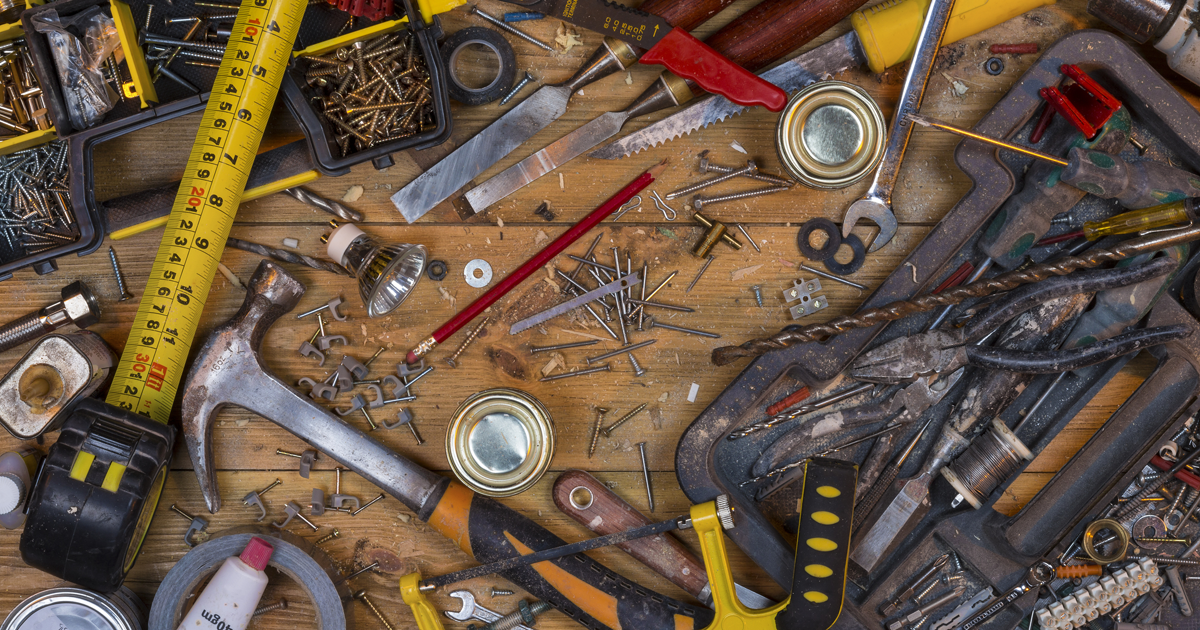
A cluttered workspace leads to:
-
Tripping hazards
-
Poor balance while operating tools
-
Accidental contact with moving parts
Keep floors clear, cables managed, and tools stored properly.
5️⃣ Be Extra Careful With Cordless Tools
Cordless tools feel safer—but they still pose risks:
-
Unexpected startup
-
Battery overheating
-
Improper charging
Always:
-
Remove the battery before changing accessories
-
Use original chargers
-
Let batteries cool before charging
6️⃣ Follow Proper Operating Techniques

Good habits include:
-
Firm two-hand grip when required
-
Correct stance and balance
-
Letting the tool do the work—no forcing
-
Keeping hands clear of moving parts
Fatigue and rushing are major accident triggers.
7️⃣ Never Ignore Warning Signs
Stop using the tool if you notice:
-
Unusual noise
-
Excessive vibration
-
Burning smell
-
Sudden loss of power
Continuing operation can cause tool failure or injury.
Frequently Asked Questions
Are safety goggles really necessary for small jobs?
Yes. Even small tasks can produce flying debris that causes eye injuries.
Can damaged accessories still be used “carefully”?
No. Cracked discs or bent blades should be replaced immediately.
Is tool safety only for professionals?
No. Home users and DIYers face the same risks and should follow the same safety rules.
Final Thoughts: Safety Is Part of Professionalism
Using power tools safely is not optional—it’s part of being a responsible worker or homeowner.
Good safety habits:
-
Reduce accidents
-
Protect your tools
-
Improve productivity
-
Save money long-term
No project is urgent enough to risk injury.


