


Corded vs Cordless Power Tools in the Philippines: Which Should You Choose?
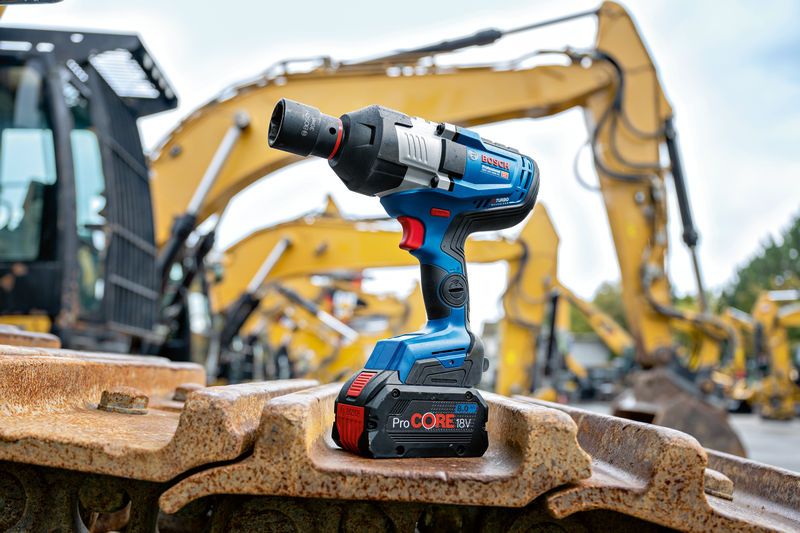
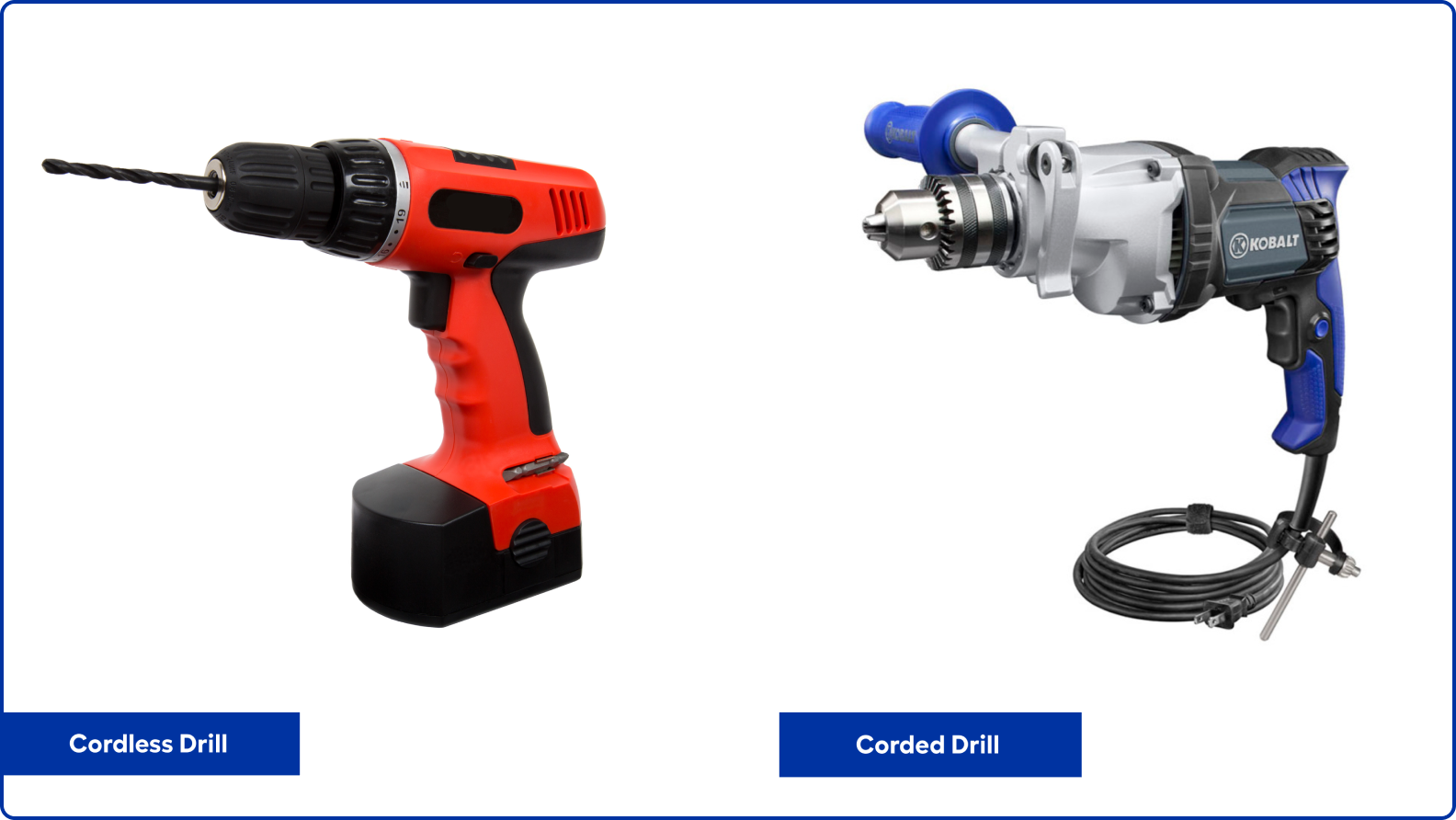
Introduction: The Most Common Tool Question in the Philippines
One of the most searched and debated tool questions is:
“Should I buy corded or cordless power tools?”
In Philippine conditions—heat, humidity, unstable power, mobile job sites—this choice matters more than many realize.
The answer isn’t “one is better.”
The answer is which one fits your job, budget, and work environment.
Corded Power Tools: Strength & Continuous Power

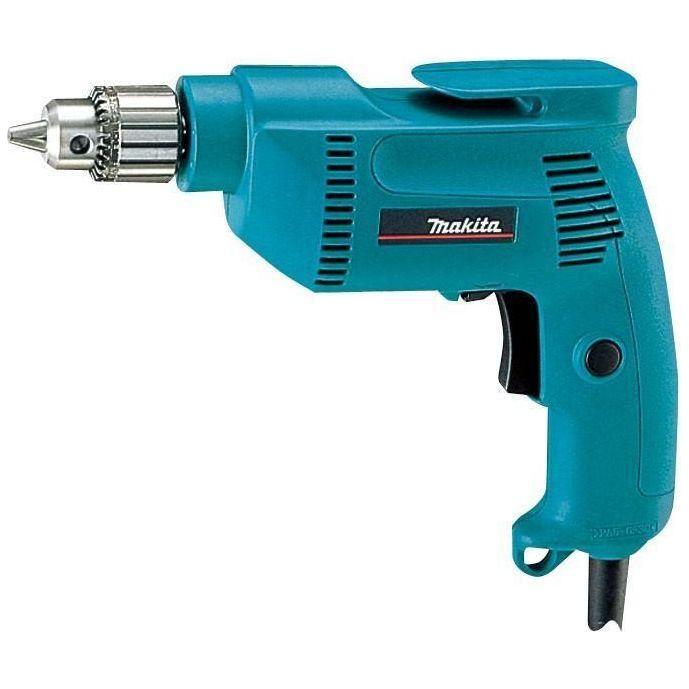
✅ Advantages
-
Continuous power supply
-
No battery charging downtime
-
Usually lower upfront cost
-
Ideal for fixed workshop setups
Corded tools are often preferred in:
-
Fabrication shops
-
Automotive garages
-
Concrete drilling
-
Long-duration grinding or cutting
❌ Limitations
-
Requires nearby outlet
-
Extension cords needed
-
Less mobility
-
Risk of cable damage
In small Philippine workshops, corded tools remain very practical.
Cordless Power Tools: Mobility & Flexibility
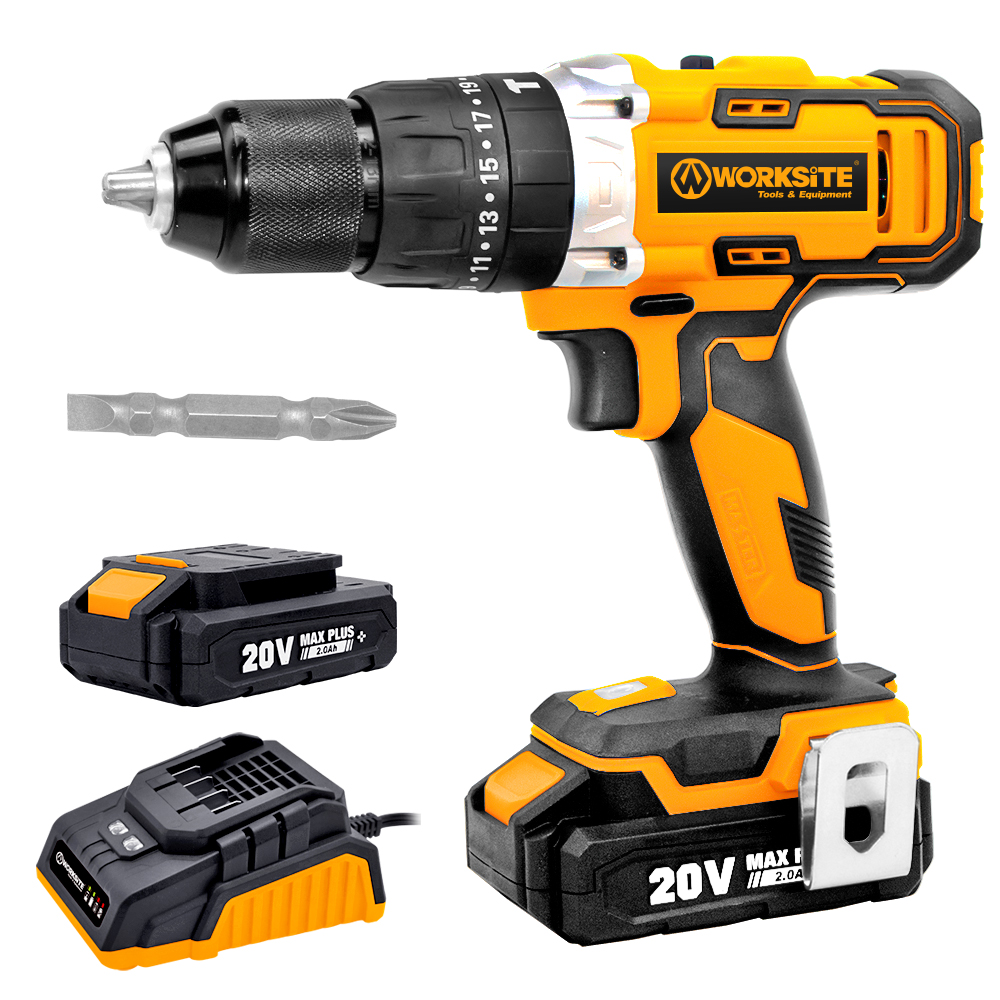

✅ Advantages
-
Full portability
-
No extension cords
-
Faster setup on-site
-
Safer in wet or crowded environments
Cordless tools are ideal for:
-
Construction sites
-
Installers and electricians
-
Field technicians
-
Home DIY users
❌ Limitations
-
Higher initial investment
-
Battery replacement cost
-
Downtime if batteries are depleted
Modern battery platforms have significantly improved power output compared to older models.
Power Comparison: Is Cordless as Strong as Corded?
Years ago, corded tools clearly had more power.
Today:
-
High-quality cordless tools rival corded models
-
Battery technology continues improving
-
Brushless motors increase efficiency
However:
For heavy-duty continuous grinding or industrial applications, corded still has an edge in sustained power.
Cost Comparison (Philippine Market Perspective)
| Factor | Corded | Cordless |
|---|---|---|
| Initial Tool Price | Lower | Higher |
| Battery Cost | None | Additional expense |
| Long-Term Cost | Low | Depends on battery replacements |
| Convenience | Moderate | High |
If you’re just starting out, corded tools are usually more budget-friendly.
If mobility saves time on every job, cordless becomes cost-efficient long term.
Safety Considerations
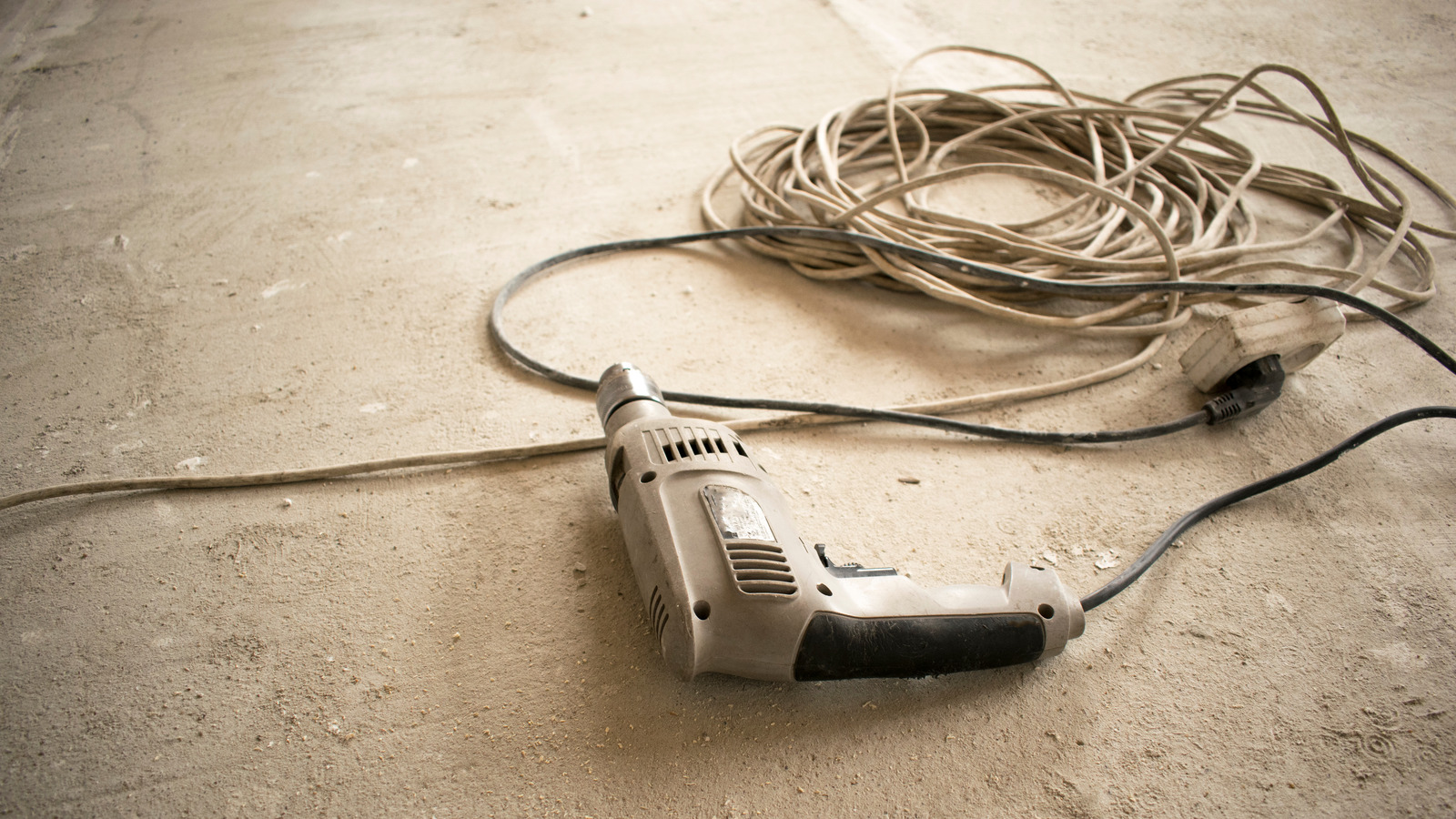

Corded risks:
-
Tripping hazards
-
Cable damage
-
Electrical exposure
Cordless risks:
-
Battery overheating
-
Improper charging
-
Accidental startup
Both types are safe when used properly.
What Most Professionals in the Philippines Actually Do
Many professionals use both systems.
Example:
-
Corded grinder for heavy cutting in workshop
-
Cordless drill and impact driver for on-site work
This hybrid approach gives flexibility without sacrificing performance.
Who Should Choose Corded?
Choose corded if:
-
You work mainly in a fixed location
-
You want lower upfront cost
-
You perform long-duration tasks
-
You don’t want to manage batteries
Who Should Choose Cordless?
Choose cordless if:
-
You move between job sites
-
You work in tight spaces
-
You prioritize speed and convenience
-
You already own batteries in that ecosystem
Frequently Asked Questions
Are cordless tools powerful enough for professionals?
Yes, modern high-quality cordless tools are suitable for most professional applications.
Do batteries fail faster in Philippine heat?
Heat affects batteries, so proper storage and cooling are important.
Is corded cheaper long-term?
Often yes, especially for heavy stationary work.
Final Verdict: The Smart Choice Is Both
The real answer is not corded vs cordless — it’s knowing when to use each.
-
Corded = sustained power & cost efficiency
-
Cordless = mobility & flexibility
Choose based on your work environment, and you’ll never regret your purchase.


