


How to Choose the Right Power Tool for Your Job (PH Guide): Don’t Waste Money on the Wrong Tool

Introduction: Why Choosing the Right Tool Matters More Than Price
Many buyers in the Philippines end up disappointed—not because the tool is “bad,” but because it’s wrong for the job.
Using an underpowered or incorrect power tool leads to overheating, early failure, unsafe operation, and wasted money.
This guide helps:
-
Contractors and installers
-
Fabrication and welding shops
-
Automotive and maintenance workers
-
Homeowners and serious DIY users
If you want tools that work efficiently and last longer, start here.
Step 1: Clearly Identify the Work You Actually Do
Before choosing any tool, define the primary job. Different materials demand different tools.
Common job types in the Philippines
-
Concrete & masonry: drilling anchors, slab penetration
-
Metal fabrication: cutting, grinding, surface prep
-
Woodworking: framing, furniture, renovation
-
Installation & fastening: repetitive screw and bolt work
👉 Start by browsing tools by function:
Step 2: Corded vs Cordless — Simple Rules That Work
When Corded Tools Make More Sense
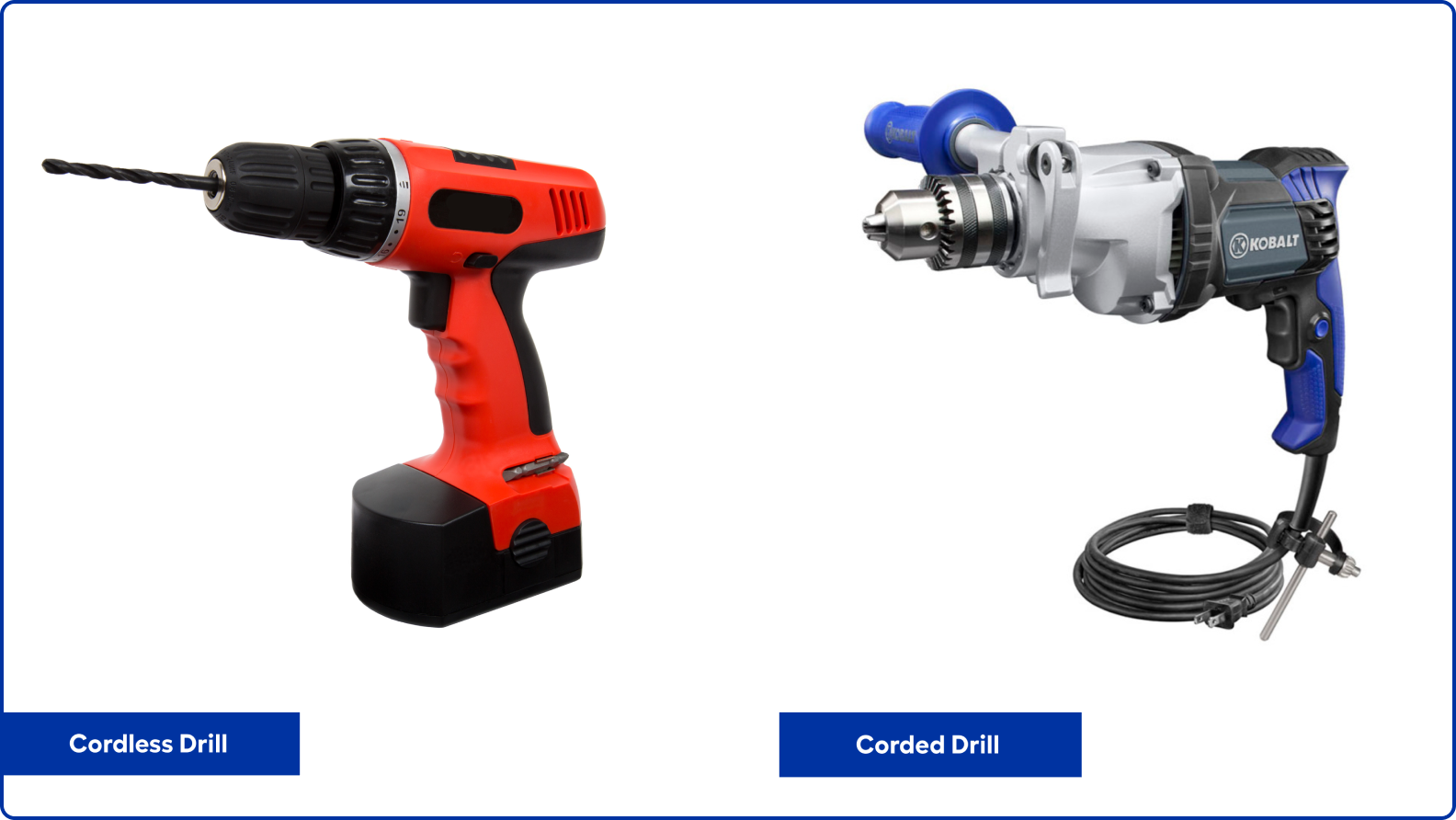
Corded tools are ideal if:
-
You work in a fixed workshop
-
You need continuous power for long periods
-
You want lower upfront cost
Corded grinders, drills, and cut-off tools are common in fabrication shops for this reason.
When Cordless Tools Are the Better Choice
Cordless tools shine when:
-
You move from site to site
-
You work at height or tight spaces
-
You value speed and flexibility
Explore cordless options here:
-
<a href="/collections/cordless">Cordless Tools</a>
Pro tip: Many professionals use corded tools in the shop and cordless tools on-site.
Step 3: Match Power and Tool Size to Your Workload
A common PH mistake is buying a smaller, cheaper tool for heavy-duty work.
Why this is a problem:
-
Motors overheat faster
-
Internal components wear out early
-
Safety risks increase under load
Instead of choosing by price, match:
-
Wattage / voltage
-
Tool size (disc size, chuck size)
-
Duty cycle (light vs continuous use)
For example:
-
Heavy cutting → larger grinder or cut-off tool
-
Frequent drilling → hammer drill with correct rating
Step 4: Consider the Tool Category (Not Just the Brand)

Different tools exist for a reason:
-
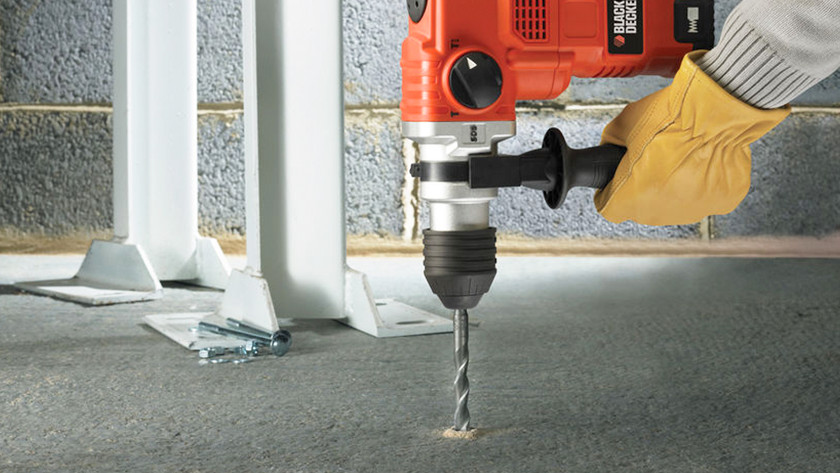
Drill / Hammer Drill: wood, metal, concrete
-
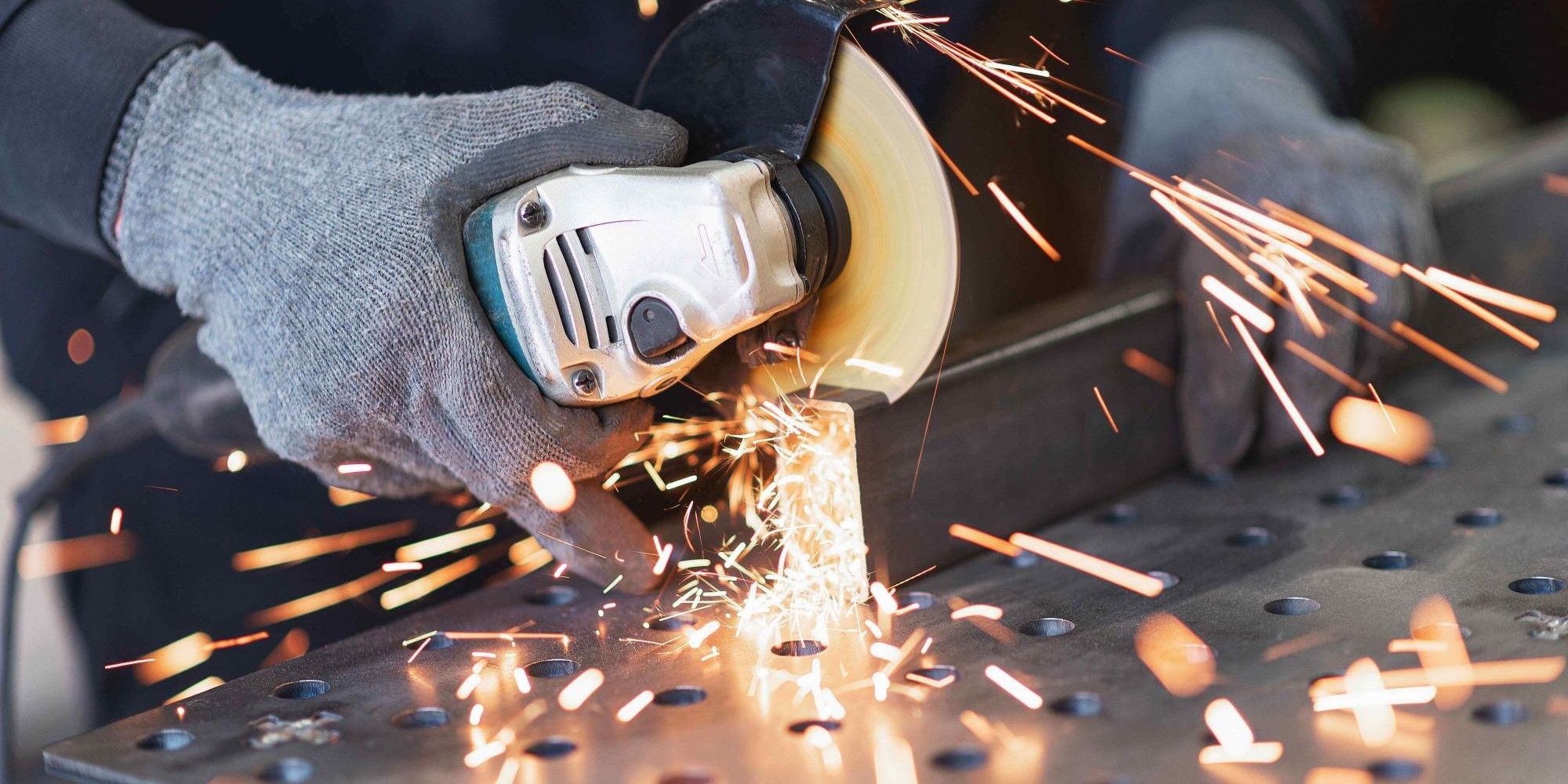
Angle Grinder: metal cutting, grinding, finishing
-
Impact Driver: fast, repetitive screw work
-
Impact Wrench: automotive and heavy bolts
Browse by category:
-
<a href="/collections/drilling-fastening">Drilling & Fastening</a>
-
<a href="/collections/cutting-tools">Cutting Tools</a>
Step 5: Don’t Forget Consumables, Safety & Support
Your productivity depends heavily on accessories and support.
Always plan for:
-
Correct discs, blades, and bits
-
Replacement parts availability
-
Safety equipment (goggles, gloves, masks)
Check safety gear here:
-
<a href="/collections/safety-equipment">Safety Equipment</a>
Skipping safety gear or consumables often leads to accidents and downtime.
Common Buying Mistakes to Avoid
-
Buying tools based on discounts only
-
Ignoring warranty and after-sales support
-
Choosing cordless tools without checking battery availability
-
Using light-duty tools for industrial jobs
Avoiding these mistakes saves money long-term.
Frequently Asked Questions
Is higher wattage always better?
Not always. Higher wattage helps with heavy-duty work, but the right wattage depends on the task. Overbuying adds cost and weight.
Should beginners start with cordless tools?
Yes, in many cases. Cordless tools are easier to handle and reduce cable hazards, especially for home and light professional use.
What tools should I buy first if my budget is limited?
Start with a drill/driver and an angle grinder, then expand based on your most common job type.
Final Thoughts: Buy Tools That Match Your Work, Not Just the Price
Choosing the right power tool is about fit, safety, and long-term value.
When tools match your job requirements and come with warranty and local support, they last longer and perform better.
If you’re unsure, start with proven categories and build your toolkit gradually—buy once, buy right.


