


How to Maintain Power Tools in the Philippine Climate (Heat, Humidity & Dust Guide)

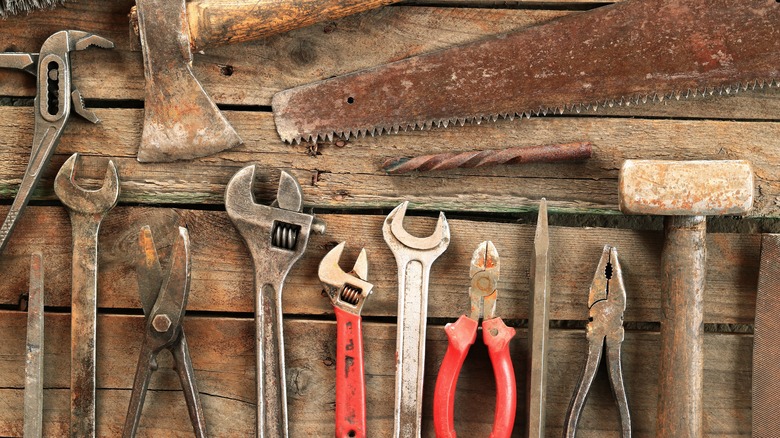
Introduction: Why Tools Fail Faster in the Philippines
Power tools used in the Philippines face tougher conditions than in many other countries:
-
High humidity
-
Hot temperatures
-
Dusty construction sites
-
Unstable power supply
Without proper care, even branded tools can suffer from:
-
Rusted internal components
-
Overheating motors
-
Electrical shorts
-
Shortened lifespan
This guide shows practical, easy maintenance steps to keep your tools running longer—whether you’re a contractor, shop owner, or home user.
1️⃣ Control Moisture and Humidity (The #1 Enemy)

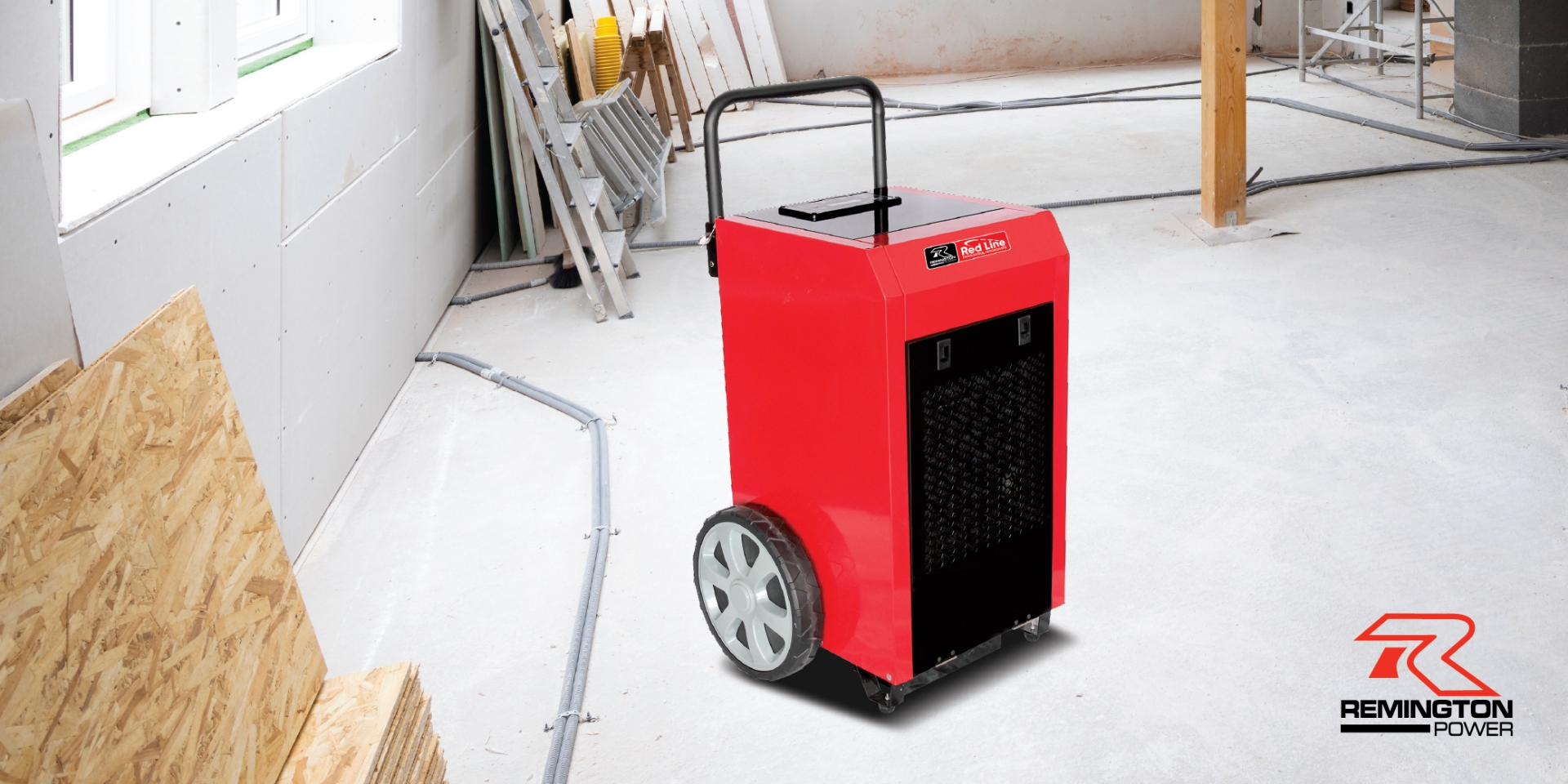

Humidity causes:
-
Rust on bearings and shafts
-
Corrosion on electrical contacts
-
Mold in tool cases
What you should do:
-
Store tools in dry, ventilated areas
-
Avoid leaving tools inside sealed vehicles
-
Use silica gel or moisture absorbers in toolboxes
-
Wipe tools dry before storage
For workshops, basic ventilation or a dehumidifier makes a big difference.
2️⃣ Clean Tools After Use (Especially Dusty Jobs)

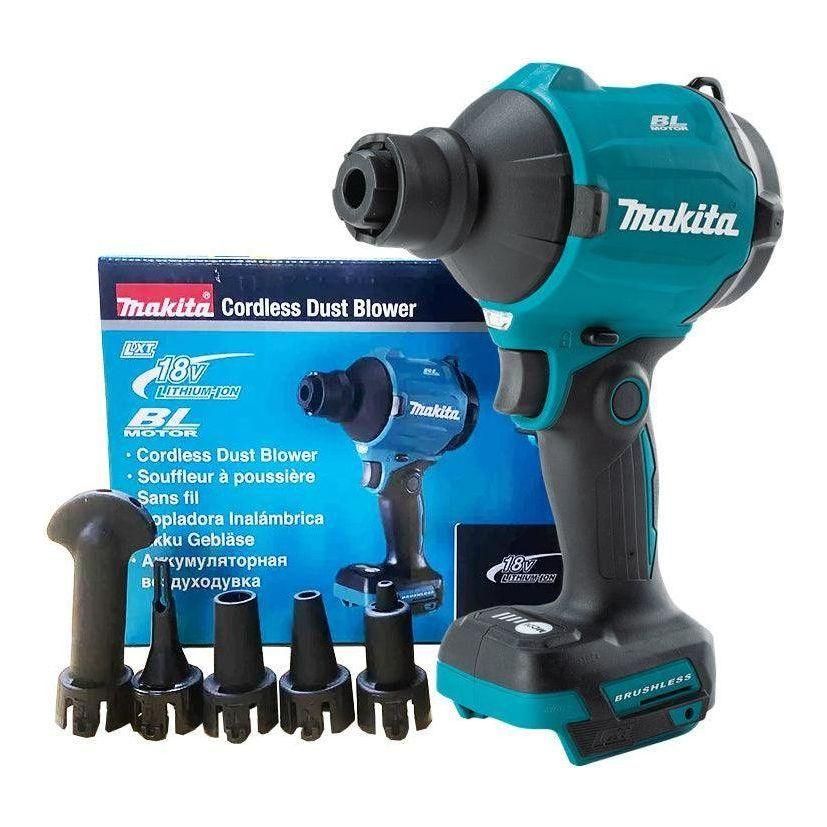

Dust buildup leads to:
-
Motor overheating
-
Clogged vents
-
Reduced performance
Best practices:
-
Blow out dust using compressed air
-
Wipe external surfaces after work
-
Clean ventilation slots regularly
-
Never wash tools with water
Clean tools run cooler and last longer.
3️⃣ Protect Motors From Overheating
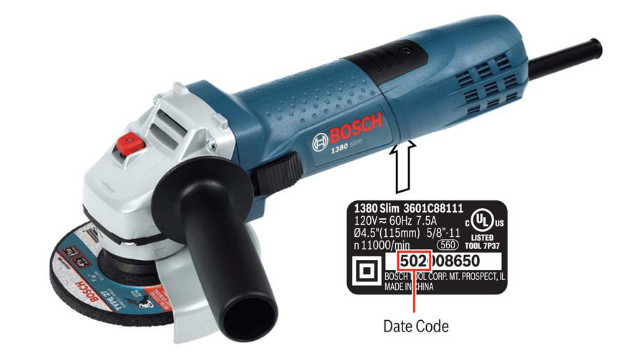

Overheating is common in hot environments.
To avoid it:
-
Let tools rest during long jobs
-
Avoid forcing cuts or grinding
-
Use correct accessories (discs, blades, bits)
-
Keep cooling vents unobstructed
If the tool smells hot or loses power—stop immediately.
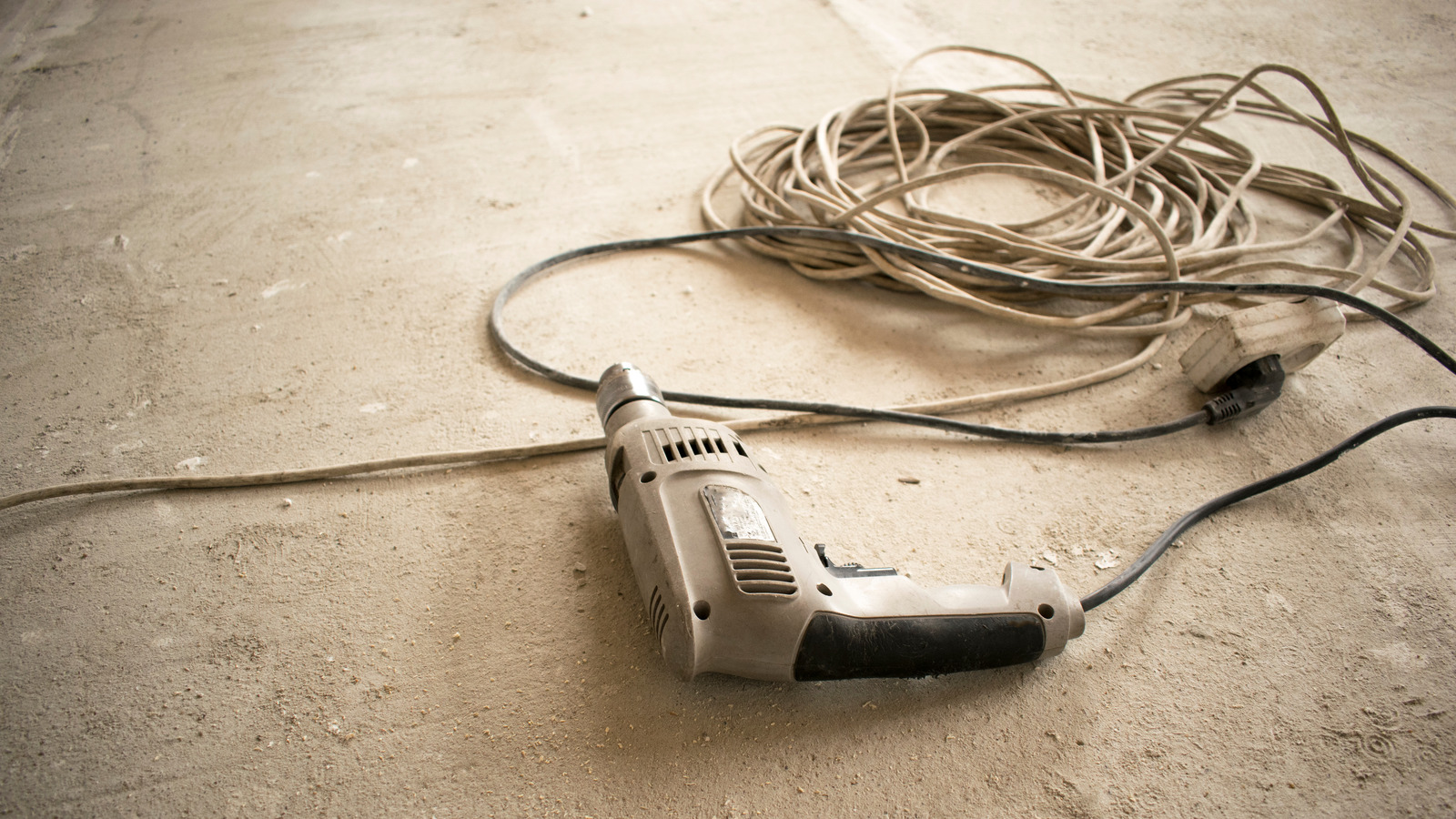
4️⃣ Check Cords, Plugs & Batteries Regularly


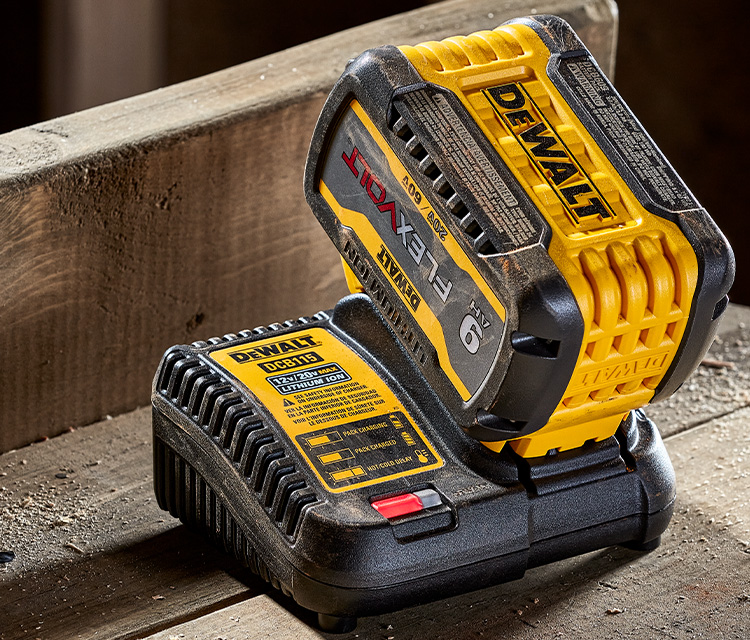
Electrical issues cause many failures.
Corded tools:
-
Inspect cables for cracks or exposed wires
-
Keep plugs clean and dry
Cordless tools:
-
Let batteries cool before charging
-
Avoid charging in hot or humid areas
-
Use only original chargers
Poor electrical care leads to shorts and early breakdowns.
5️⃣ Use the Right Tool for the Right Job

Using undersized tools causes:
-
Motor strain
-
Excessive heat
-
Faster wear
If a tool struggles, it’s usually the wrong one for the task.
Matching tools to jobs is one of the simplest ways to extend lifespan.
6️⃣ Lubrication and Periodic Servicing
Some tools require:
-
Bearing lubrication
-
Carbon brush inspection
-
Internal cleaning
Follow manufacturer guidelines and schedule servicing—especially for heavily used workshop tools.
Common Tool Care Mistakes to Avoid
-
Storing tools while still hot
-
Leaving tools in damp storage
-
Ignoring unusual noises or vibration
-
Using damaged accessories
-
Skipping safety and maintenance checks
These small mistakes lead to expensive repairs.
Frequently Asked Questions
How often should I clean my power tools?
After dusty jobs or at least weekly for regular users.
Can rust really damage internal parts?
Yes. Rust on bearings and shafts causes vibration, noise, and motor failure.
Do branded tools still need maintenance?
Absolutely. Brand quality helps—but environment and usage matter more.
Final Thoughts: Maintenance Saves Money
Power tools are investments.
In the Philippine climate, proper maintenance is not optional.
Good habits:
-
Extend tool life
-
Improve safety
-
Reduce downtime
-
Protect your budget
A few minutes of care can save thousands of pesos in repairs.


