


Introduction: Why Brand Comparison Matters in the Philippines
Makita, Bosch, and DeWalt are three of the most searched power tool brands in the Philippines—but choosing the “best” one isn’t about hype or color.
What really matters locally:
-
Heat and humidity resistance
-
Availability of spare parts
-
Warranty and service center access
-
Tool ecosystem compatibility
-
Suitability for real Philippine jobs
This guide compares these brands based on use cases, not fan loyalty.
Makita: Reliability and Long-Term Parts Availability
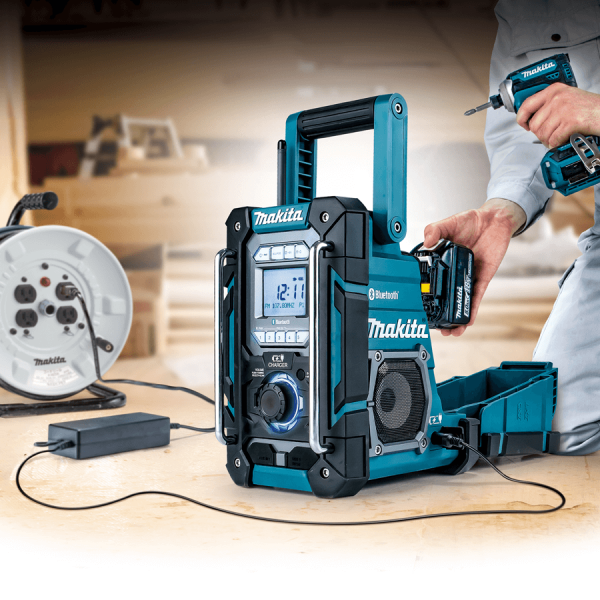
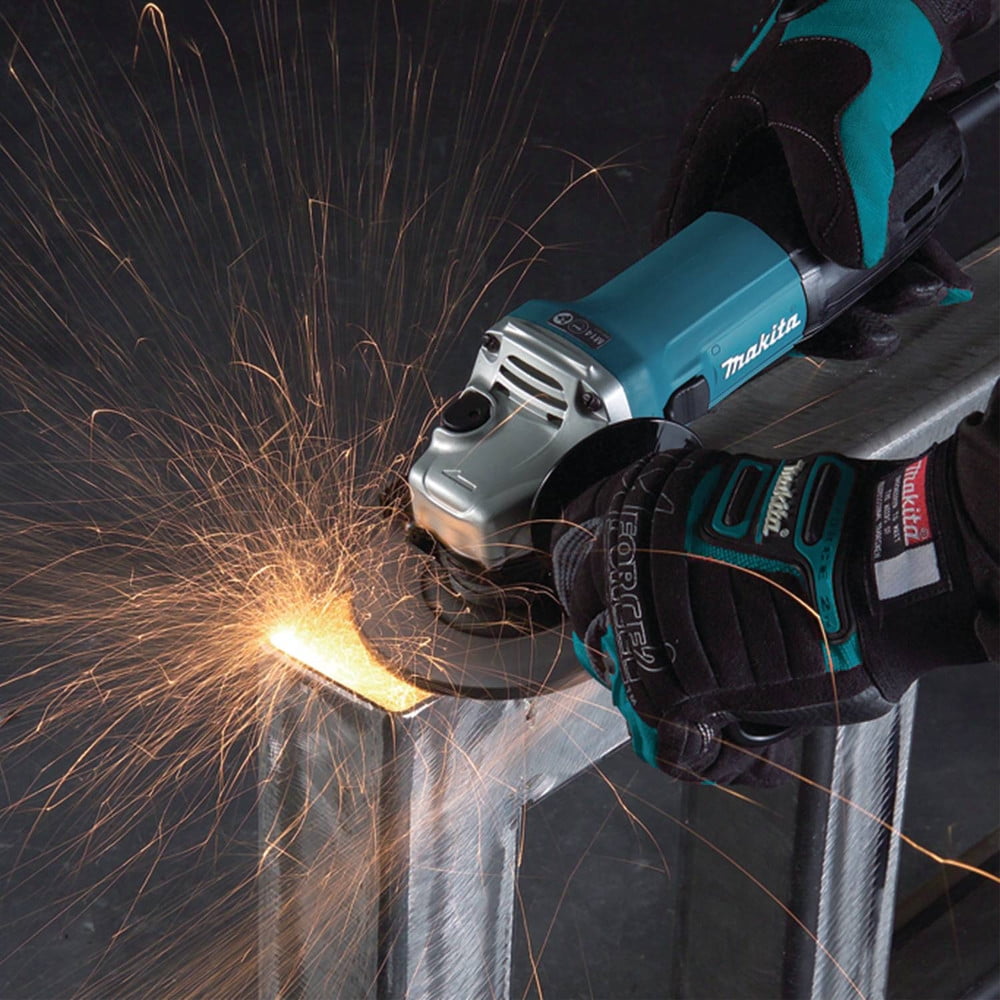
Makita is widely known for:
-
Long product life
-
Consistent performance
-
Strong parts availability
Strengths
-
Broad cordless ecosystem
-
Easy access to replacement parts
-
Good balance of power and ergonomics
-
Trusted by contractors and workshops
Considerations
-
Some models are priced higher
-
Entry-level lines may vary by model
Best for:
Contractors, fabrication shops, users who prioritize long-term serviceability.
Bosch: Precision, Innovation, and Control
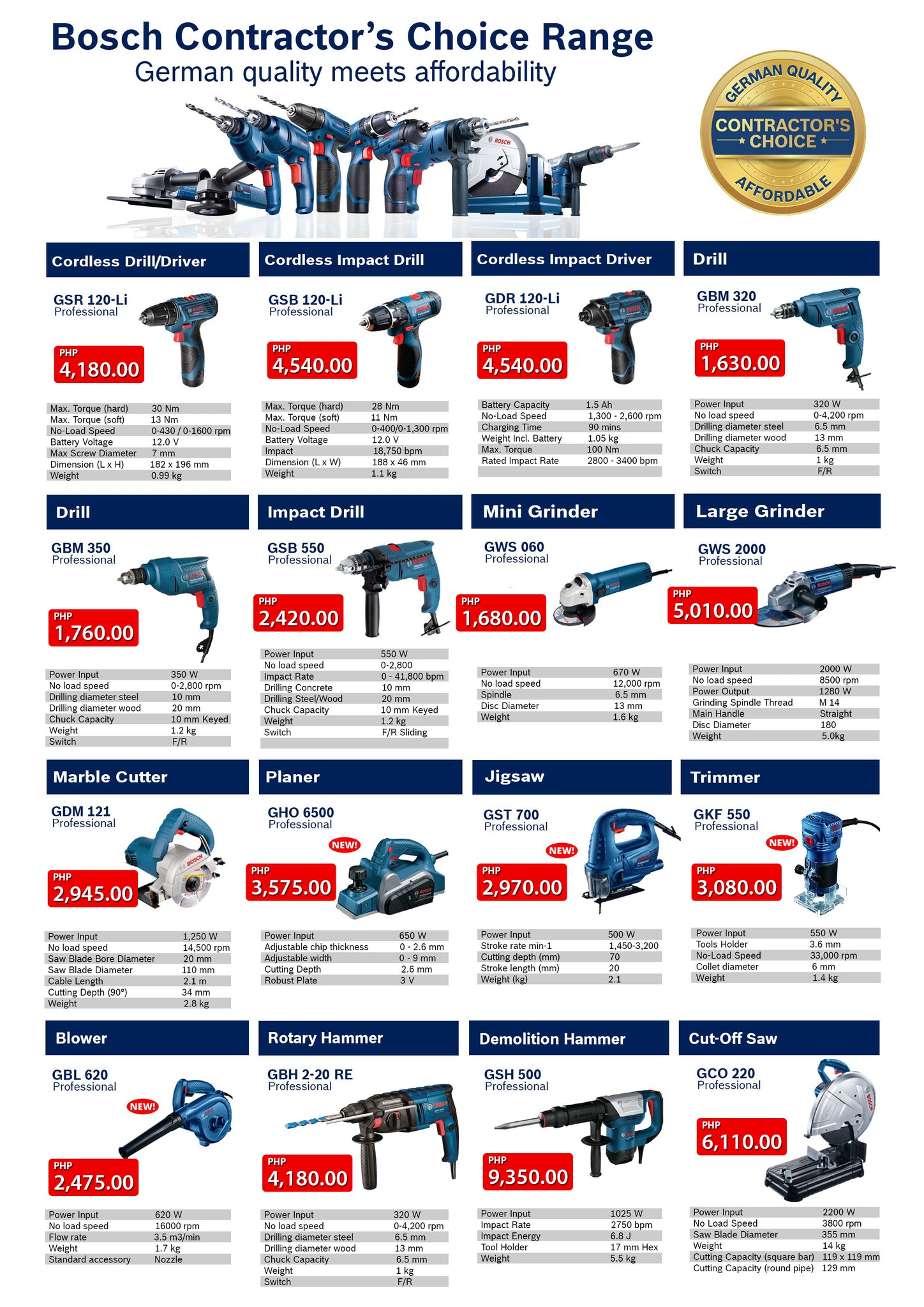
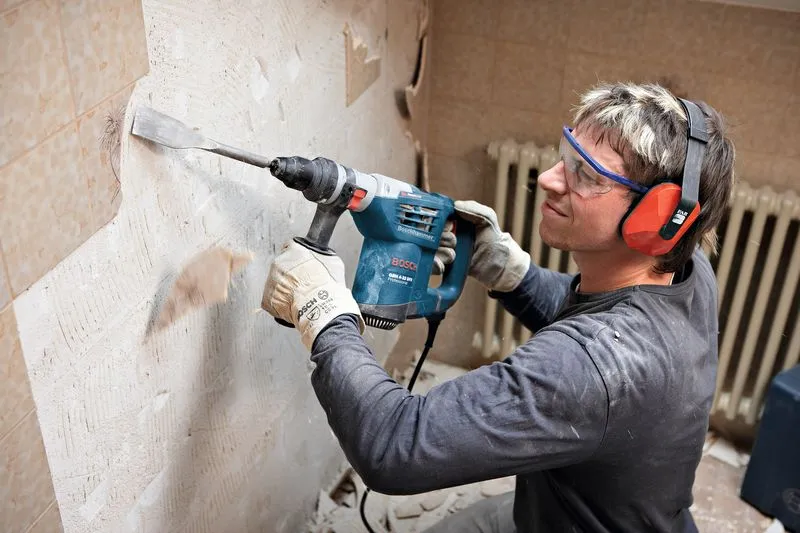
Bosch is often associated with:
-
Precision engineering
-
Advanced safety features
-
Excellent drilling and measuring tools
Strengths
-
Smooth motor control
-
Strong performance in concrete and masonry
-
Reliable electronics and safety systems
Considerations
-
Some models focus more on precision than raw torque
-
Accessory compatibility may vary
Best for:
Electricians, installers, concrete drilling, technical applications.
DeWalt: Power, Torque, and Jobsite Toughness

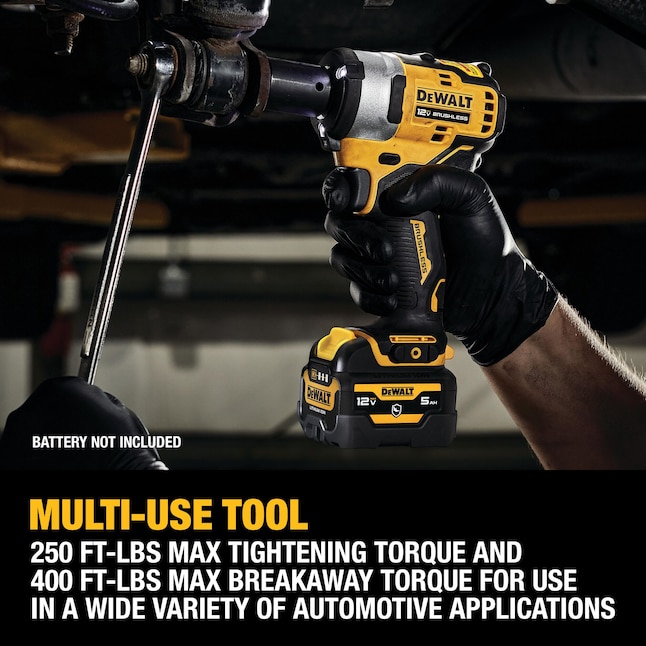
DeWalt is known for:
-
High torque output
-
Rugged jobsite design
-
Strong impact tools
Strengths
-
Excellent impact drivers and wrenches
-
Durable housings for harsh environments
-
Strong cordless performance
Considerations
-
Heavier feel on some tools
-
Tool ergonomics may not suit everyone
Best for:
Heavy construction, automotive, structural work.
Side-by-Side Comparison (Real-World Perspective)
| Category | Makita | Bosch | DeWalt |
|---|---|---|---|
| Durability | ⭐⭐⭐⭐ | ⭐⭐⭐⭐ | ⭐⭐⭐⭐ |
| Ergonomics | ⭐⭐⭐⭐ | ⭐⭐⭐⭐ | ⭐⭐⭐ |
| Torque & Power | ⭐⭐⭐ | ⭐⭐⭐ | ⭐⭐⭐⭐ |
| Precision | ⭐⭐⭐ | ⭐⭐⭐⭐ | ⭐⭐⭐ |
| Parts Availability (PH) | ⭐⭐⭐⭐ | ⭐⭐⭐ | ⭐⭐⭐ |
| Best Use Case | General pro use | Precision work | Heavy-duty jobs |
(Stars reflect practical usage, not marketing claims)
Cordless Ecosystems: Why This Matters More Than Brand Alone


Once you invest in a cordless platform, you’re committing long-term.
Before choosing:
-
Check battery availability
-
Charger speed and compatibility
-
Tool range within the same platform
Mixing brands often increases cost and inconvenience.
Which Brand Should YOU Choose?
There is no single “best brand” for everyone.
Choose Makita if you:
-
Want long-term parts availability
-
Use a wide variety of tools
-
Prefer balanced ergonomics
Choose Bosch if you:
-
Focus on drilling, concrete, and precision
-
Value safety and electronic control
-
Do technical or installation work
Choose DeWalt if you:
-
Need high torque and rugged tools
-
Work in construction or automotive fields
-
Abuse tools daily on job sites
Frequently Asked Questions
Is one brand more durable than the others?
All three are durable. Durability depends more on correct tool selection and usage than brand alone.
Can I mix brands in one workshop?
Yes, but mixing cordless platforms increases battery and charger costs.
Which brand has the best warranty?
Warranty support depends on the local dealer and service center availability, not just the brand name.
Final Thoughts: Brand Is Important, Use Case Is More Important
Makita, Bosch, and DeWalt all produce professional-grade tools.
The smartest choice is the brand that fits your work type, environment, and long-term support needs.
Buy based on:
-
Job requirements
-
Tool ecosystem
-
Warranty support
-
Parts availability
That’s how professionals choose.

